A 60-second reset for overwhelming moments
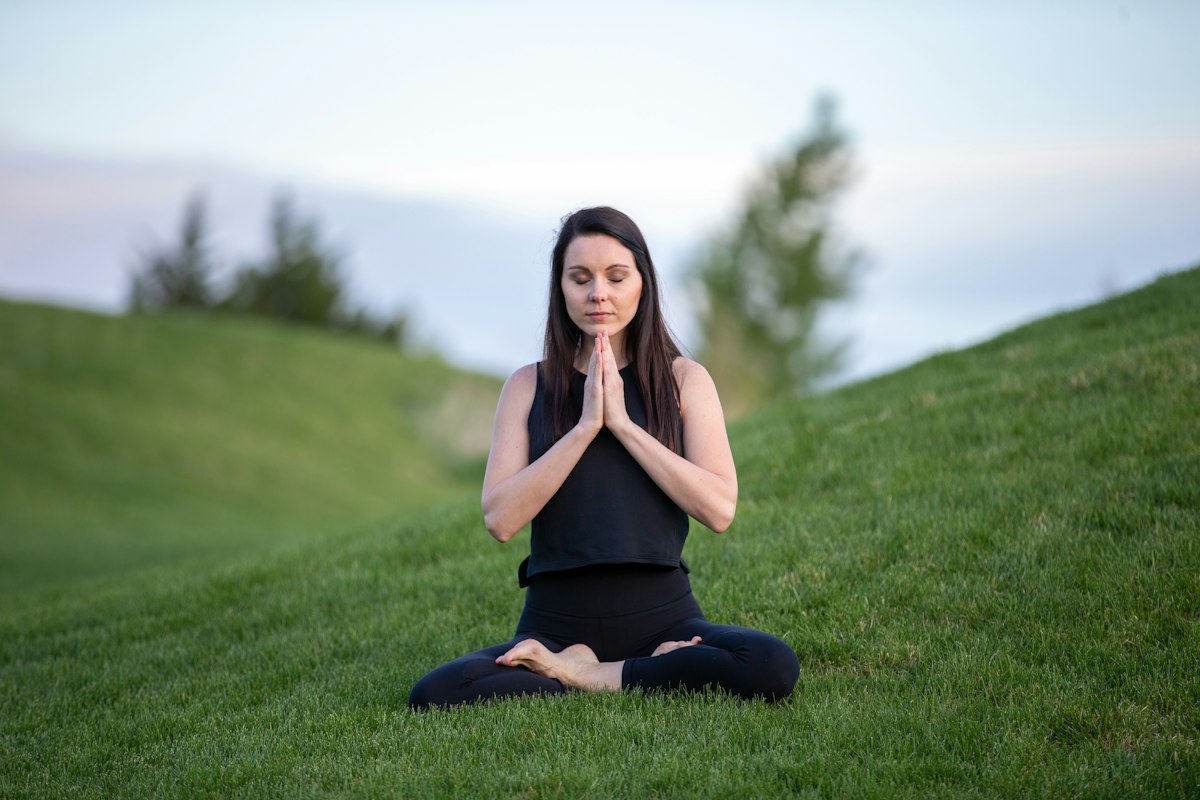
Your heart is racing. Your thoughts are spiraling. Anxiety has taken over. But what if I told you that you already have the most powerful anti-anxiety tool right under your nose?
Literally. It's your breath.
What happens when you can't settle
When you're anxious, your sympathetic nervous system (fight-or-flight) is in overdrive. Controlled breathing activates the parasympathetic nervous system—your body's natural calming mechanism.
It's not woo-woo. It's neuroscience.
3 Techniques That Actually Work
1. Box Breathing (Navy SEAL Method)
Used by Navy SEALs to stay calm under pressure:
- Inhale: 4 seconds
- Hold: 4 seconds
- Exhale: 4 seconds
- Hold: 4 seconds
- Repeat 4 times
2. 4-7-8 Breathing (The Natural Tranquilizer)
Dr. Andrew Weil's technique for instant calm:
- Inhale through nose: 4 seconds
- Hold: 7 seconds
- Exhale through mouth: 8 seconds
The long exhale is key—it signals safety to your brain.
3. Resonant Breathing (5-5-5)
The scientifically optimal breathing rate:
- Breathe in: 5 seconds
- Breathe out: 5 seconds
- Continue for 5 minutes
This gives you a steady visual pace to follow; it does not measure your heart rate or guarantee a calming effect.
When to Use Each Technique
Box Breathing: Before presentations or important meetings
4-7-8: Can't sleep due to anxiety
Resonant: General stress relief or meditation
The MyMindNook Breathing Tool
We've built these techniques into our app with visual guides and timers. No need to count—just follow the animations.
Try it next time anxiety hits. You'll be surprised how fast it works.
The Bottom Line
A short breathing exercise may feel useful for some people, but it is not a substitute for medication or professional care.
Your breath is always with you. Learn to use it.
Related journeys
Emotional guide
When work follows you home—in your head
Five grounded ways to step off the hamster wheel—without pretending stress isn't real or that you should just push harder.
Healing path
Before burnout whispers, then shouts
Early signals your body sends, and boundaries that protect your energy—before you're running on empty.
Quiet read
When your mind never fully rests
For anyone whose nervous system rarely powers all the way down—why noticing matters, and tiny practices that fit real days.
When you're ready for the next step
A short guided breathe when everything feels loud.
Try a breathing resetMore free tools